Intro to Trad Climbing
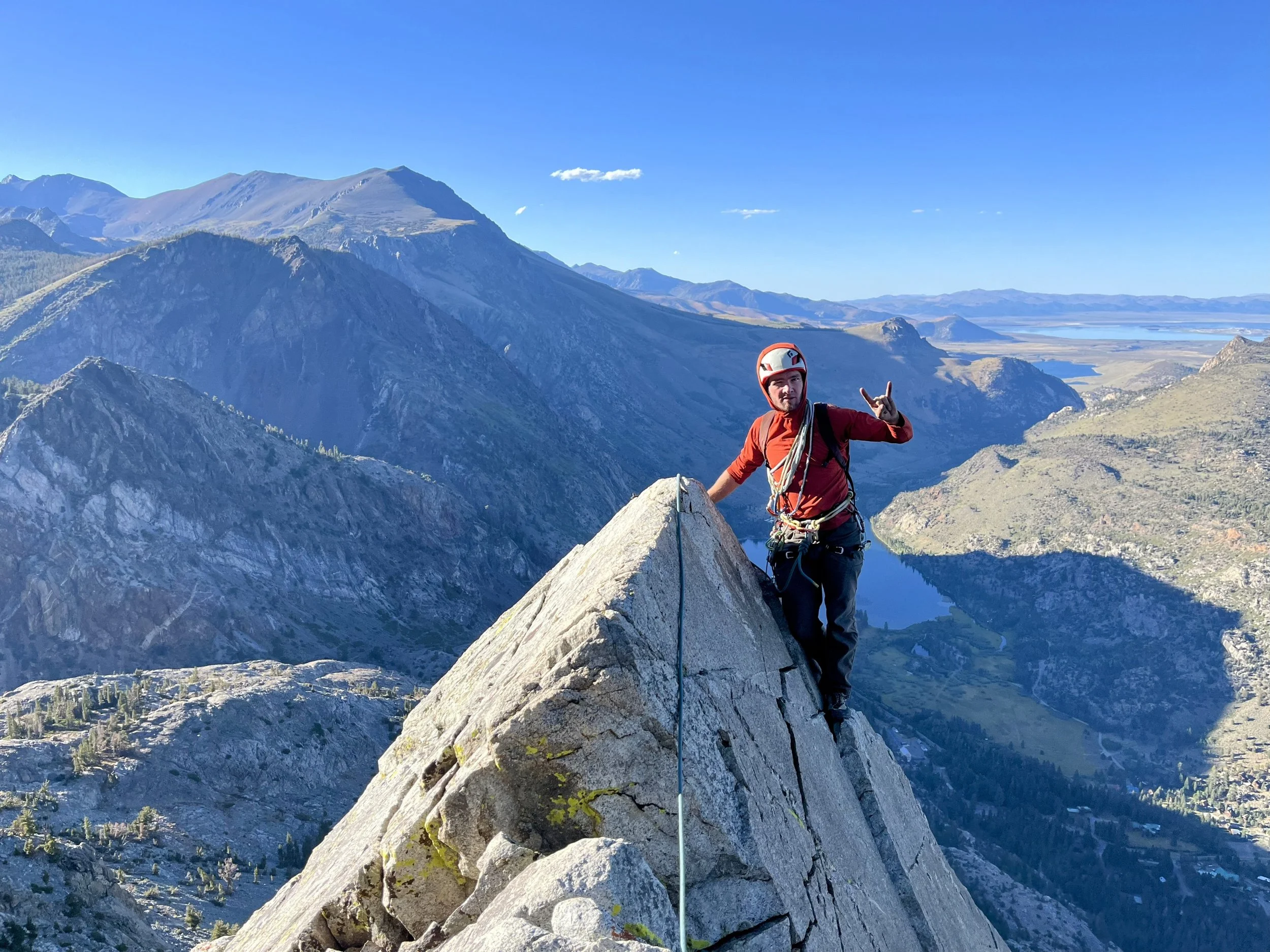
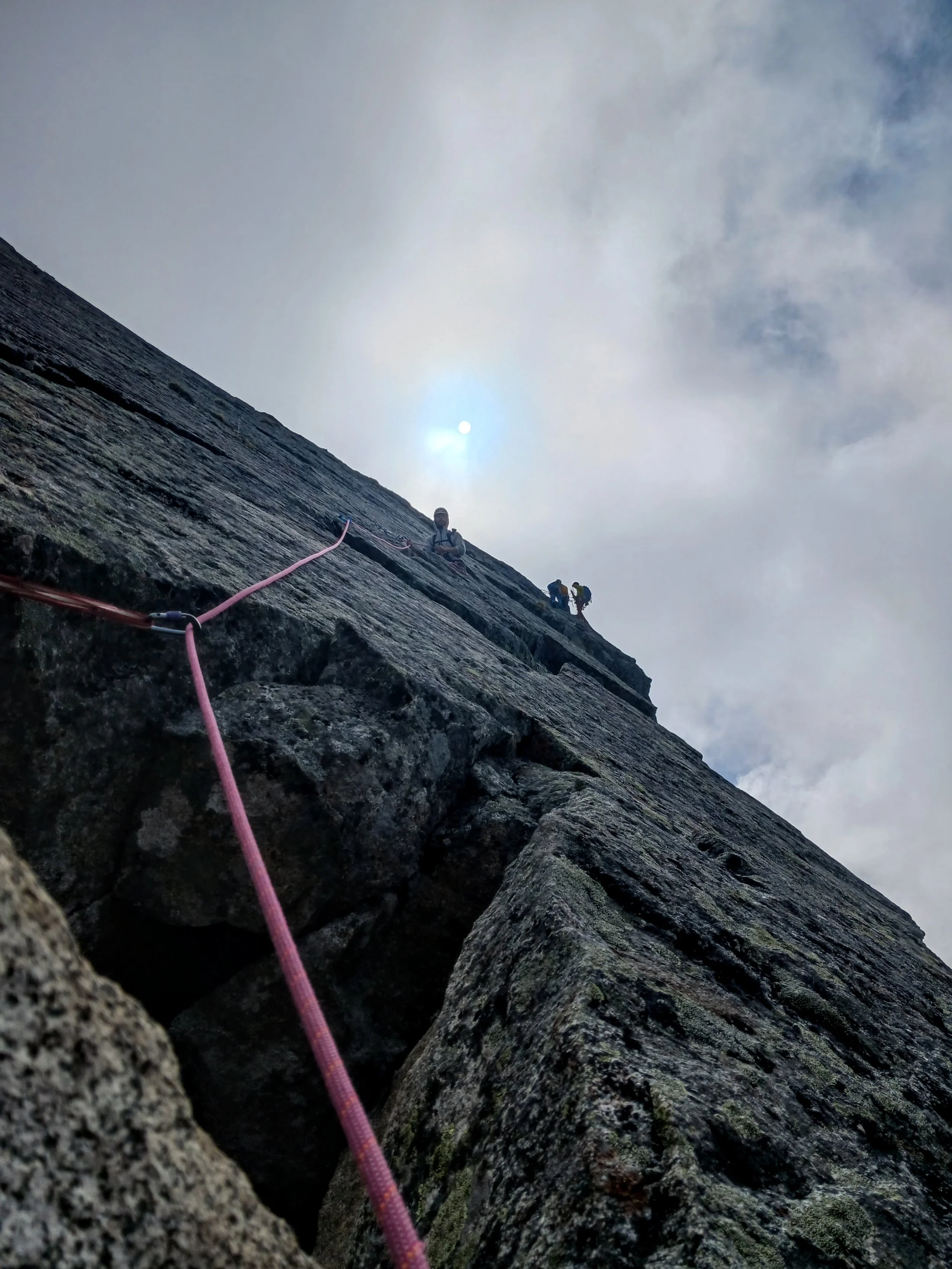
Our Intro to Trad Climbing course is designed for individuals who want to build a strong foundation in traditional climbing. Over the duration of this program, participants will learn essential techniques such as gear placement, anchor building, lead belaying, and route assessment, while developing the judgment and confidence required to climb safely and efficiently on natural rock.
Under the guidance of experienced instructors, students will gain hands-on experience in mock leading, anchor transitions, and risk management—all in a supportive and structured learning environment. Instruction emphasizes sound decision-making, environmental awareness, and the importance of climbing with intention and respect for the crag.
This course serves as an essential stepping stone for those looking to explore the world of traditional climbing while prioritizing safety, technical competence, and environmental stewardship. Participants will leave equipped not only with practical climbing skills, but also with a deeper appreciation for outdoor ethics, the climbing community, and the craft of self-reliant adventure.
Prices: $240.00
Dates: Please reach out for availability
-
Course Goals
Safety Awareness: Develop an understanding of fundamental safety practices related to traditional climbing, including risk assessment and emergency procedures.
Technical Proficiency: Acquire basic skills in traditional climbing techniques, including placing gear (cams, nuts, etc.), & belaying.
Understanding of Gear: Gain knowledge of the various types of traditional climbing equipment, their proper usage, and maintenance standards.
Climbing Ethics: Instill a sense of responsibility regarding leave-no-trace principles and ethical considerations in climbing.
Teamwork and Communication: Enhance teamwork skills through effective communication and collaboration with climbing partners.
Outcomes
Climbing Competence: Participants will demonstrate the ability to safely and effectively ascend a traditional rock route, applying the skills learned in the course.
Gear Familiarity: Identify and use various types of climbing gear proficiently, understanding their strengths and limitations.
Safety Protocols: Acquire knowledge to implement established safety practices, including correct belaying techniques and safety protocols.
Ethical Approach: Participants will exhibit an understanding of climbing ethics and demonstrate responsible climbing practices that respect the environment.
Confidence in Skills: By the end of the course, students will feel confident in their climbing abilities and knowledgeable about progression to more challenging routes.
This course aims to provide a solid foundation for those eager to explore the world of traditional climbing while fostering a culture of safety and respect within the climbing community.
-
8:00am - Meet your guide at the crag parking lot. Go through gear check & review the plan for the day.
8:30am - Begin learning & hands on practice
Noon - Lunch at the crag
4:00pm - Finish the day back at trailhead, debrief the day and say our goodbyes.
-
To ensure a successful and safe experience in our Intro to Trad Climbing participants should meet the following prerequisites:
Basic Climbing Knowledge: Participants must have a foundational understanding of climbing terminology, equipment, and techniques. Familiarity with rock climbing principles is essential.
Climbing Experience: A minimum of 10 outdoor climbing days or equivalent indoor climbing experience is necessary. Participants should be comfortable climbing at least to a grade of 5.6 or the equivalent.
Belaying Proficiency: Participants should be competent in belaying techniques and practices. This includes understanding proper rope handling and communication with climbing partners.
Physical Fitness: A moderate level of physical fitness is required to safely participate in the clinic, including the ability to perform basic climbing movements and maneuvers.
By ensuring that all participants meet these prerequisites, we can foster a productive learning environment in the rock climbing anchor clinic.
-
Included:
Friendly AMGA trained guides
Recreational use permits
Group gear, first aid, satellite communication device.
Wag Bags (Waste Disposal Bags)
Ropes
Rock Protection
Not Included:
Harness, helmets, carabiners, climbing shoes.
Food
Transportation
Guide Gratuities
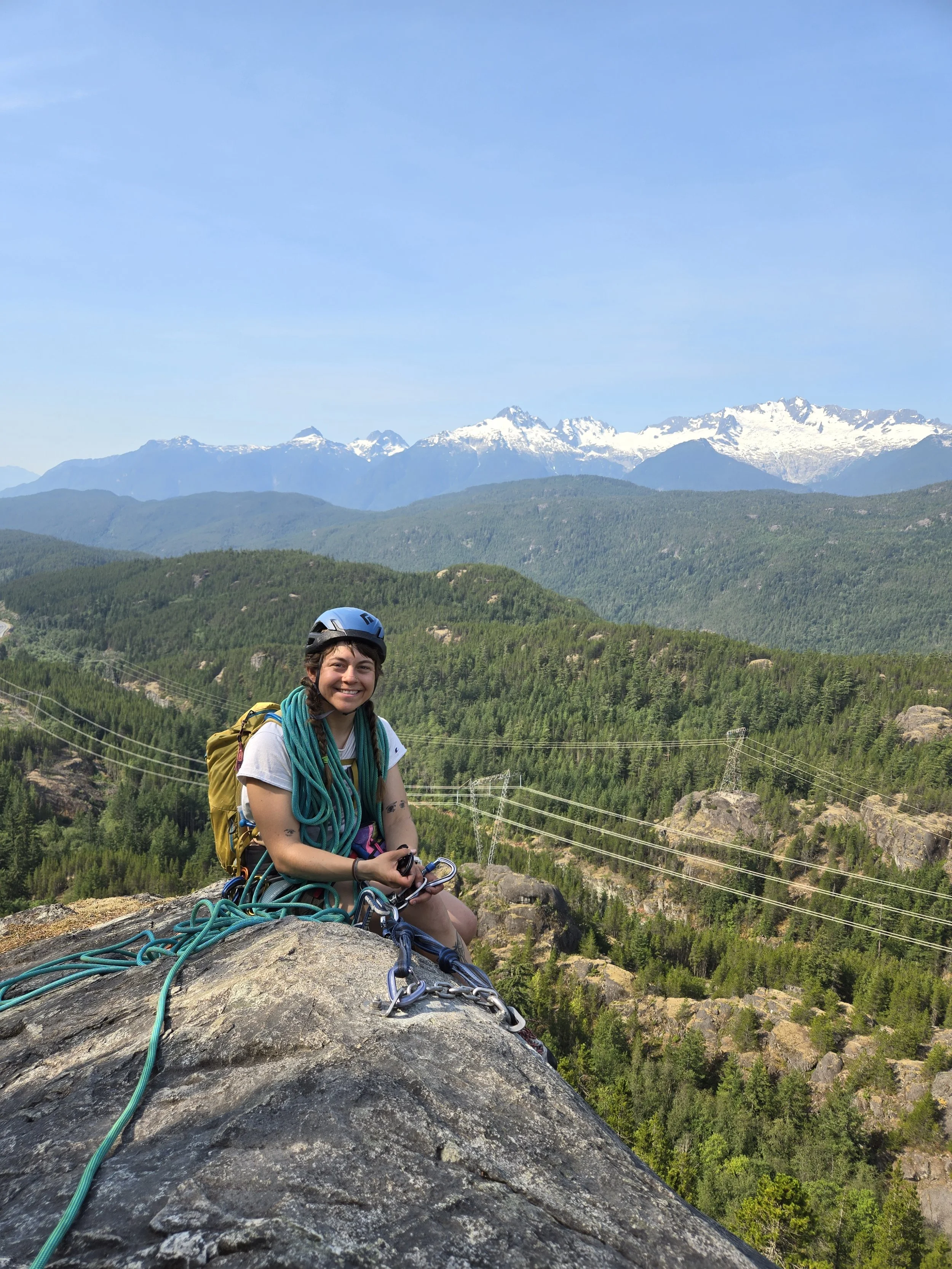
Intro to Traditional Climbing Curriculum
Morning:
Welcome & Orientation: course objectives, safety briefing, risk management mindset.
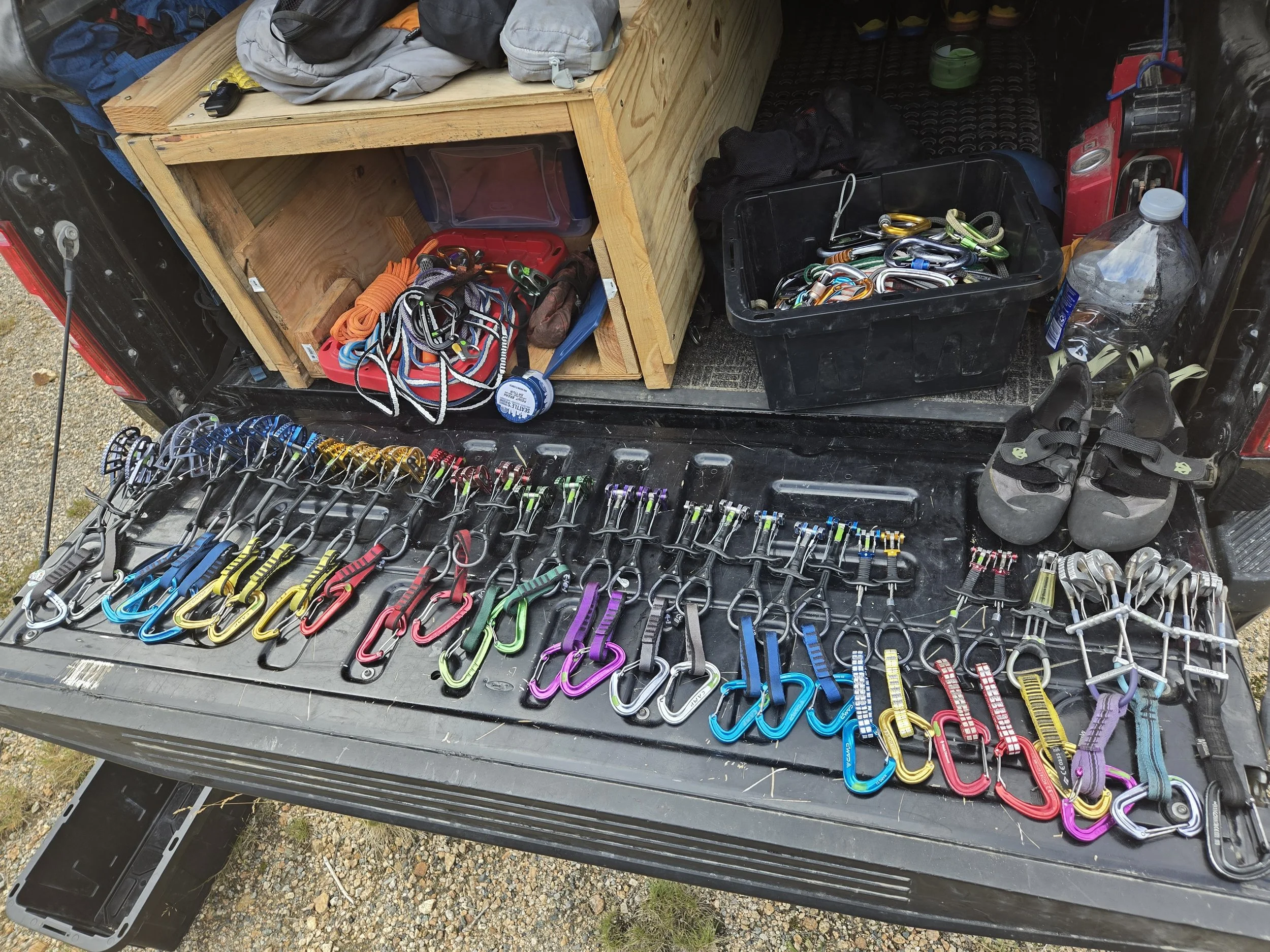
Trad Gear Overview: cams, nuts, hexes, slings, cordelettes — how each works and when to use them.
Racking Systems: harness organization for efficiency.
Ground School Gear Placements:
Principles of solid placements (rock quality, constriction, direction of pull).
Students practice placing and evaluating gear at ground level with instructor critique.
Anchor Building Basics:
SERENE principles (Solid, Equalized, Redundant, Efficient, No Extension).
Sliding X, quad, and cordelette anchors.
Group exercise: build & evaluate anchors.
Afternoon:
Mock Placements on Top-Rope:
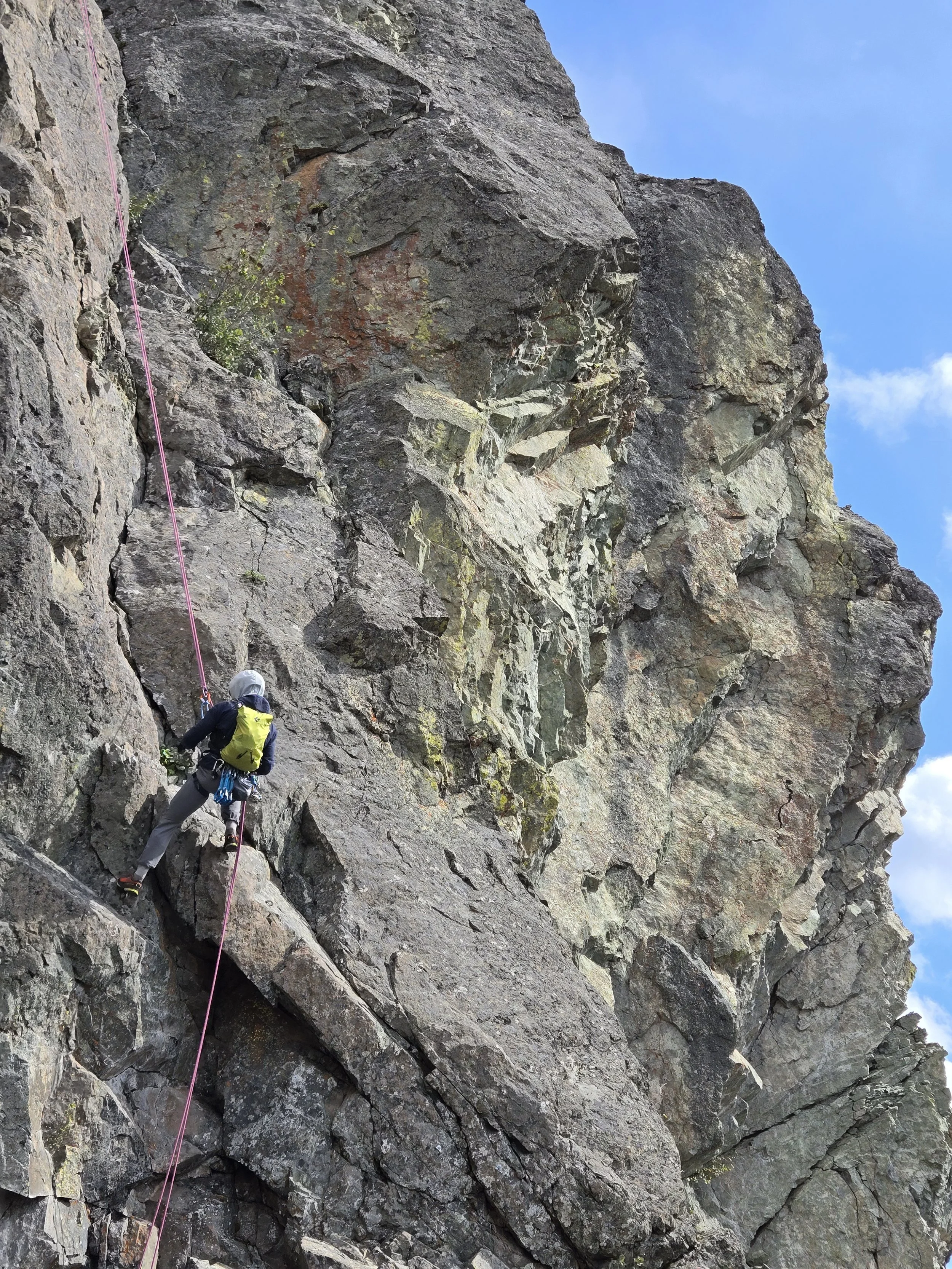
Students climb moderate routes on top rope while practicing gear placements.
Instructors provide real-time feedback on protection choices and techniques.
Seconding & Cleaning Gear:
How to remove stuck cams and nuts.
Proper racking and handing gear back to the leader.
Wrap-Up Session:
Review key skills learned.
Risk awareness: when not to place gear, bad rock, runout situations.
Next steps: practicing as a second, mentorship, mock leading, advanced courses.