-Overview of Down Clothing
Down Clothing 101
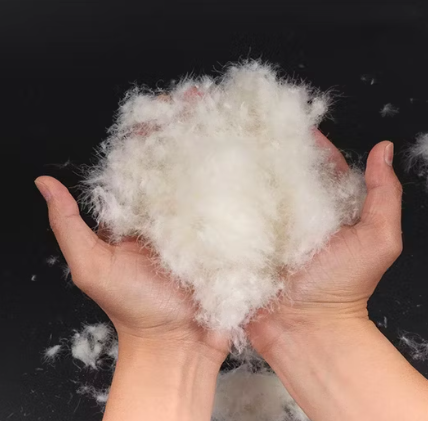
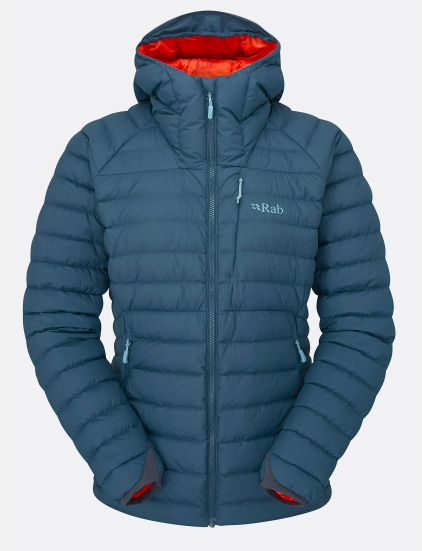
Down clothing is a crucial component of backcountry layering systems, providing exceptional warmth while remaining lightweight and compressible. The insulating power of down comes from its loft, or the ability of the feathers to trap warm air, creating an effective thermal barrier against the cold. However, not all down is created equal—fill power, which ranges from around 550 to 900, determines the quality and efficiency of the insulation. Higher fill power provides greater warmth with less weight, making it ideal for lightweight backcountry pursuits. When selecting a down jacket or sleeping bag, considering the balance between warmth, weight, and packability is key to optimizing comfort and efficiency in the field.
-Best Used For
Down clothing is best used for cold, dry conditions where maximum warmth and minimal weight are priorities. It excels in activities like backcountry skiing alpine climbing, high-altitude mountaineering, & winter backpacking, where staying warm during rest stops or in camp is essential. Due to its excellent compressibility, down is also ideal for ultralight adventures where pack space is limited. However, because down loses its insulating ability when wet, it is less suitable for prolonged exposure to wet climates without proper layering and moisture management. When used correctly, down clothing provides unmatched warmth and comfort in extreme environments.
-Things to Consider
Despite its superior warmth-to-weight ratio, down has one critical drawback: its vulnerability to moisture. When wet, down loses its loft and insulating properties, leaving users exposed to dangerous heat loss. To mitigate this, many modern down garments are treated with a hydrophobic coating that helps repel moisture, while others incorporate synthetic insulation in key areas to maintain warmth even when damp. Proper layering is also essential—wearing a shell over a down jacket in wet or snowy conditions helps protect it from moisture, and avoiding sweating into down layers by adjusting clothing before exertion is crucial. Keeping down dry is a top priority in the backcountry, requiring careful planning and gear management.
-Down Care & Maintenance
Storage and maintenance also play a vital role in the longevity and performance of down clothing. In the field, stuffing a down jacket or sleeping bag into a waterproof stuff sack helps protect it from unexpected moisture exposure. At home, down gear should be stored uncompressed in a breathable storage sack to maintain loft and extend its lifespan. Periodic washing with a specialized down detergent helps restore loft and remove accumulated oils and dirt, but it’s important to follow manufacturer instructions to avoid damaging delicate feathers. By understanding the strengths and limitations of down insulation and taking the necessary precautions, backcountry travelers can maximize warmth and comfort in even the harshest conditions.

________________________________________________
Final Thoughts on Down Clothing
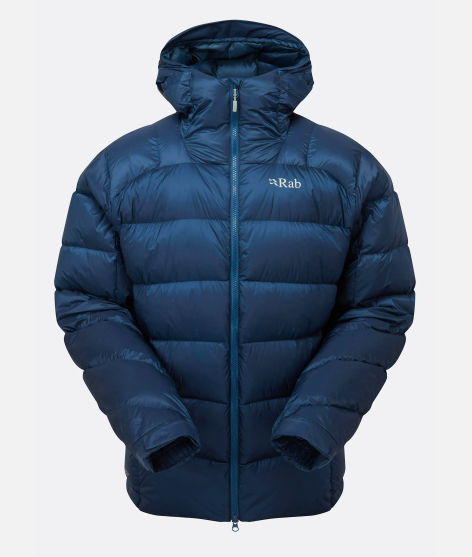
Ultimately, down clothing remains one of the best insulation options for mountaineering, offering an unparalleled balance of warmth, weight, and compressibility. When used wisely, it enhances comfort and safety in the backcountry, helping climbers withstand frigid temperatures and harsh alpine environments. Whether on a multi-day expedition or a fast-and-light summit push, the right down layers can make the difference between a successful climb and a dangerously cold experience. By understanding its strengths and limitations, mountaineers can make informed decisions, ensuring that their gear performs when they need it most. Proper layering techniques, strategic use of shell protection, and careful moisture management further maximize the effectiveness of down insulation in extreme conditions. As innovations in hydrophobic treatments and hybrid designs continue to improve its performance, down remains a staple in mountaineering gear, trusted by climbers tackling some of the world’s most challenging peaks.